




Achieve your Calling with Rigorous and Supportive Training
APA-Accredited Doctoral Program*
Stevenson’s Doctor of Psychology (Psy.D.) program in Clinical Psychology prepares you to become a clinical psychologist and to provide evidence-based, culturally competent clinical services to individuals and their communities. The Psy.D. in clinical psychology program combines classroom instruction, clinical placements, and internship experiences that enable you to develop the skills and knowledge required for effective clinical practice. The program has been granted the initial accreditation status of Accredited, on Contingency by the American Psychological Association’s Commission on Accreditation (APA CoA), effective as of October 24, 2025.*
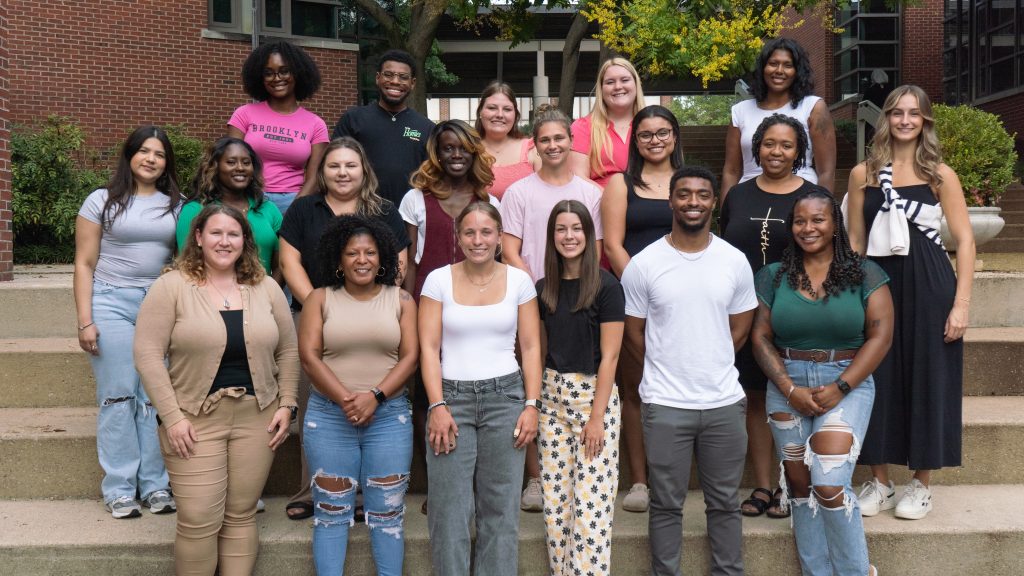
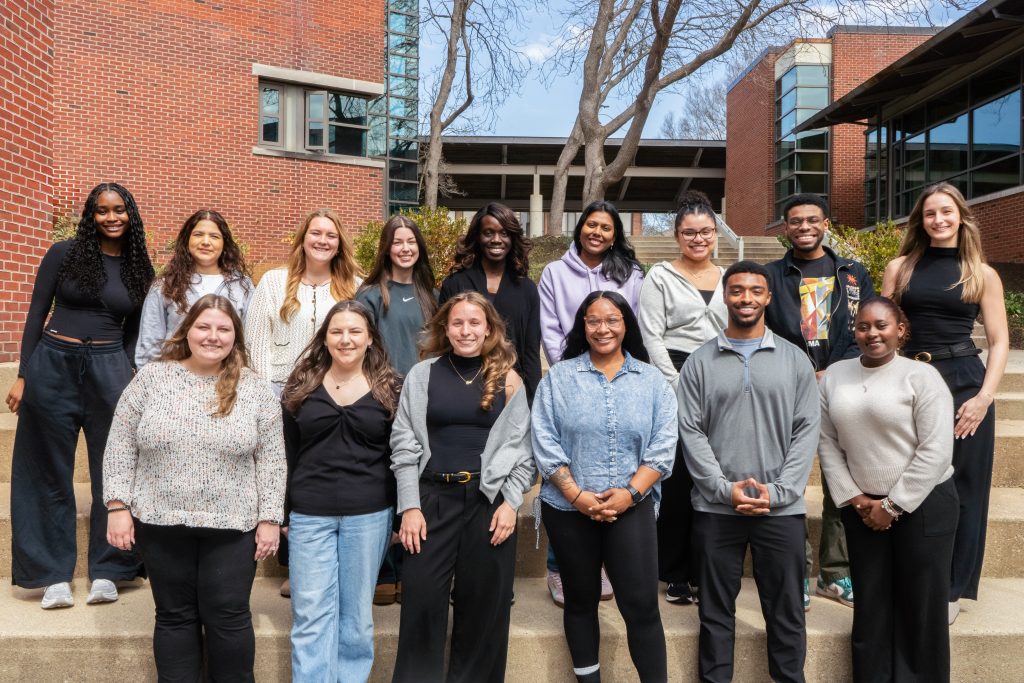
newest Psy. D. cohort, the Class of 2029.
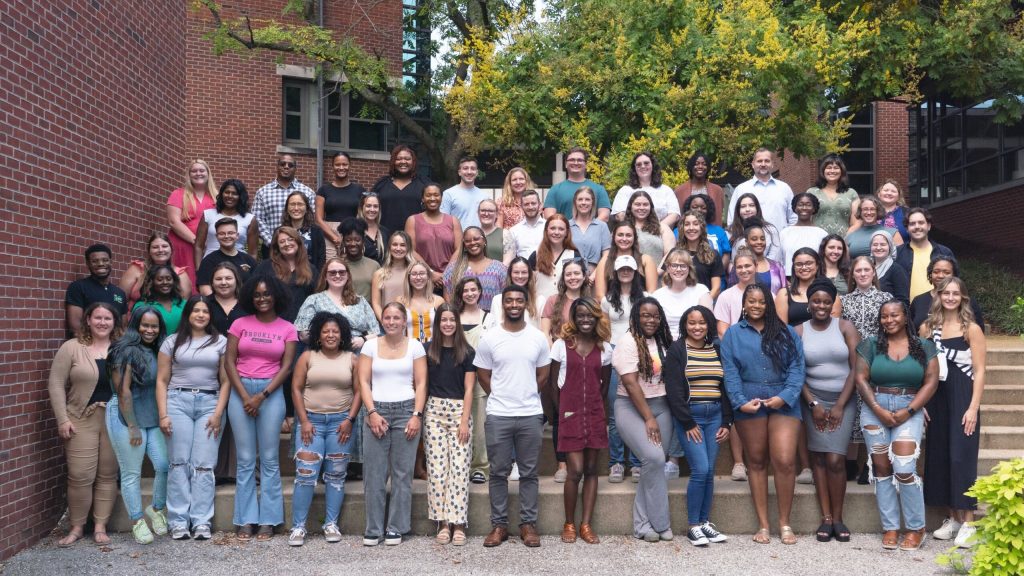
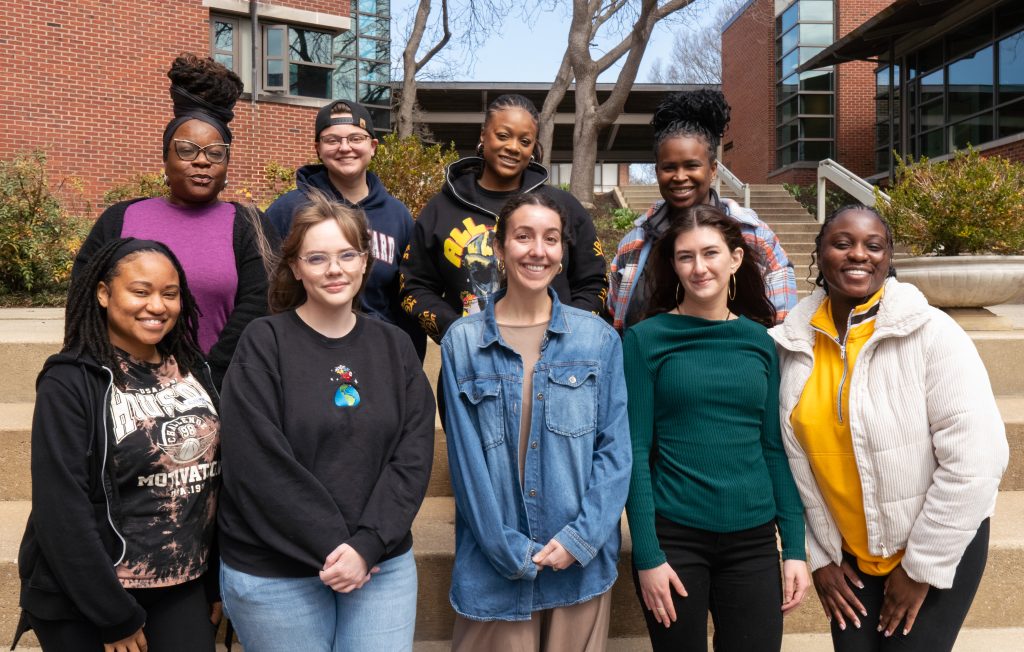
Classes of 2026, 2027, 2028, and 2029.
Overview
Stevenson’s Psy.D. Program Fast Facts
- The Psy.D. in clinical psychology program is a full-time, five-year program.
- Faculty mentoring and guidance extend through coursework, internship support, and dissertation direction.
- The program is rooted in theory and research, with particular attention to individual and cultural diversity and culturally responsive practice.
- You will complete 16-20 hour/week externships in clinical settings in years two though four of the program, and a year-long, full-time internship in the final year of the program.
- Upon completion of the Psy.D. program, you will be prepared to sit for the Examination for Professional Practice in Psychology (EPPP), the national psychology licensure exam.
Program Model, Aims, and Outcomes
The Stevenson University Psy.D. program in Clinical Psychology operates from a practitioner-scholar model of training.
Program Aims:
- To prepare entry-level health service psychologists with the knowledge and competencies necessary to engage in evidence-based clinical practice with diverse populations in accordance with the highest ethical, legal, and professional standards.
- To provide students with practitioner-scholar training that develops strong professional identities as socially and culturally responsive clinical psychologists who seek to promote equity, inclusion, and the rights and dignity of all persons in their work.
These two aims underlie the six program outcomes:
- Apply psychological theory and scientific knowledge of psychological function and dysfunction, maladaptation, and psychopathology.
- Conduct evidence-based psychological assessments and diagnosis.
- Provide evidence-based psychological intervention, treatment, supervision, and consultation services.
- Apply research methods appropriate to the activities of the practitioner-scholar.
- Perform professional activities consistent with ethical, legal, and professional standards of Health Services Psychology.
- Use appropriate communication and interpersonal skills to deliver services to a diverse population.
Our Faculty’s Commitment to You
Our faculty’s clinical, instructional, and mentoring expertise is matched by their commitment to Stevenson’s student-centered mission. Psy.D. faculty are active practitioners and scholars with interests in diverse areas including:
- Psychological resilience and liberation
- Learning, attentional, and neurodevelopmental disabilities
- Pregnancy, childhood, and early motherhood
- Assessment, diagnosis, and treatment of stress, anxiety, and related disorders
- Ethnic identification, cultural expression, and psychological well-being
Our Doctorate of Psychology faculty provide you with real-world clinical expertise, as well as a commitment to excellence in instruction and mentoring. Check out our faculty and their interests on the Meet our Faculty tab.
Learn More
- How to Become a Clinical Psychologist
- Getting Started on the Path to Psychology
- Exploring Popular Clinical Psychology Careers
Accreditation
*American Psychological Association Accreditation Statement
Stevenson University’s Psy.D. program in Clinical Psychology is accredited by the American Psychological Association (APA). Specifically, the Psy.D. program has been granted “accredited, on contingency” status by APA with an initial date of accreditation of October 24, 2025. The program’s “accredited, on contingency” status will expire on October 24, 2030. Information on accreditation statuses can be found here.
Questions related to the program’s accredited status should be directed to the Commission on Accreditation:
Office of Program Consultation and Accreditation
American Psychological Association
750 1st Street, NE, Washington, DC 20002
Phone: (202) 336-5979 / E-mail: apaaccred@apa.org
Web: www.apa.org/ed/accreditation
The Psy.D. program has been approved by the Maryland Higher Education Commission and the Middle States Commission on Higher Education.
Admissions Information
Required Application Materials for all Students
- The Fall 2026 application has closed. The application for Fall 2027 will open on May 1, 2026.
- Priority Consideration due by December 1.
- Best Consideration due by February 1.
- Personal Statement
- A brief personal statement (2-3 pages double-spaced) should address the following questions:
- Describe the academic and professional experiences that have informed your desire to pursue a doctoral degree in Clinical Psychology and how doctoral study in this field aligns with your professional goals.
- Why are you interested in Stevenson’s Psy.D. program in particular? Please address specific aspects of the program in your response.
- Students in our practitioner-scholar program are required to complete an empirical dissertation that is relevant to psychological practice. Describe your prior research experience and your current research interests in clinical psychology.
- Stevenson’s Psy.D. program prepares students to engage in evidence-informed, ethical practice with individuals from diverse backgrounds. Please share a specific example of a clinical, academic, or other professional experience you’ve had that illustrates your potential for serving diverse populations as a licensed psychologist.
- A brief personal statement (2-3 pages double-spaced) should address the following questions:
- CV
- Letters of Recommendation
- Three professional/academic letters of recommendation and accompanying recommendation form. At least one letter must be from an academic reference (i.e., a professor or academic research supervisor). At least two academic references are strongly preferred. All letter writers should be able to speak to your potential for doctoral-level study and/or clinical practice.
- Official transcripts from all degree-granting institutions attended.
- Psychology Course Prerequisites
- All applicants must complete the following prerequisite courses at either the undergraduate or the graduate level: Statistics; Psychopathology; Human Development; and Research Methods. A course in Tests and Measurements is strongly recommended, but not required. For applicants who did not major in Psychology or a closely related field at the undergraduate level or in prior graduate work, taking additional Psychology courses not listed above is also recommended, but not required.
- These courses can be completed at any accredited two- or four-year college or university (including Stevenson University) or as part of a prior graduate program.
- At least three of the four required courses must be completed prior to application submission; the fourth class can be in progress at the time of application.
- Official GRE Scores (optional)
- While we do not require GRE scores for admission, you have the option to submit them for consideration as a part of your application package. The exam must be taken within the past five years.
Interviews (by invitation only)
Following initial applicant review, Doctorate of Psychology candidates selected for interviews will be invited to campus. The interview day provides program faculty the opportunity to learn more about the candidates. Additionally, it provides candidates the opportunity to learn more about the program through individual and group interviews, meetings with current students, and Q&A sessions. The interview is required for consideration for admission to the Psy.D. in clinical psychology program. Additional information about interviews, including interview dates, will be provided to applicants during the application process.
Post-Acceptance Requirements for all Psy.D. Program Students
- Background Check
- Annual criminal background checks are required for all students in the Psy.D. program. During the summer prior to enrollment, accepted students are required to obtain, pay for, and pass a criminal background check. These background checks are regularly required by the clinical sites at which students will complete practica and internships. Failure to pass a criminal background check may result in revocation of acceptance to the program.
- Enrollment Deposit
- The enrollment deposit of $300 and the enrollment form must be submitted before April 15 for the fall semester. The deposit is non-refundable after these dates. For international students, the Certificate of Eligibility (I-20) will not be processed until the deposit is received.
- Stevenson University Health Profile
- The University’s health profile must be completed in its entirety before July 1 for fall entrance. All students planning to live on campus are also required to be immunized against meningococcal disease, per Maryland State law.
Scholarships and Financial Aid
International Students
Academic Curriculum
Psy.D. program students develop profession-wide competencies in all areas integral to the role of the clinical psychologist, including research, ethical and legal standards, individual and cultural diversity, professional values and attitudes, communication and interpersonal skills, assessment, intervention, supervision, consultation, and interprofessional/ interdisciplinary skills.
Students will also develop discipline-specific knowledge in the following areas:
- The history and systems of psychology
- Affective, biological, cognitive, developmental, and social aspects of behavior
- Advanced integrative knowledge of basic discipline-specific content areas
- Research methods
- Statistical analysis
- Psychometrics
Relevant legal standards, ethical reasoning, and consideration of individual and cultural diversity factors are discussed across the curriculum.
Tuition & Fees
2026-2027
Annual tuition and fees for Psy.D. students enrolled in years 1- 4 of the program are $20,032 for the 2026-2027 academic year.
Tuition – $19,208
University Fees – $824
The fifth year of the program is generally the year in which students are only enrolled in the internship. The tuition and fees for the internship year are 50% of the annual tuition and fees, or $10,016. Students who enroll in courses other than or in addition to the internship in the 5th year will pay the per-credit tuition rate for those courses. This cost is in addition to the cost of internship.
Additional Fees
| Subscription Fee Time2Track (clinical hour tracking system) | $99 |
| Club Sports Athletic Fee (participants only) | Various by Team |
| International Student Fee | $1,500 |
| Return Check or ACH Fee | $25 |
| Graduation Fee* | $25 |
*The graduation fee is charged in year 3 for the conferral of the Master’s degree (if applicable) and in the final year for the conferral of the Doctoral degree.
In addition to the fees above which are billed to the student’s account, students are independently responsible for required fees related to clinical placements, APA student membership dues, and background check fees. Other fees related to individual practicum sites, such as parking fees, may also be required.
Core Faculty
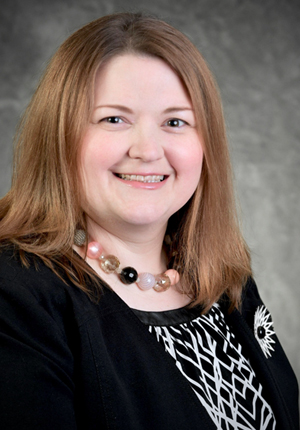
Marie C. McGrath, Ph.D.
Graduate Program Director, Clinical Psychology
Professor of Psychology
Dr. Marie McGrath joined the Stevenson faculty in Fall 2020. Before coming to Stevenson, Dr. McGrath was a faculty member in the Department of Psychology at Immaculata University, where she served as core faculty in the Clinical Psychology Psy.D. program; directed the School Psychology M.A./Ed.S. program; and received the Lindback Distinguished Teaching Award in 2012. Dr. McGrath earned her Ph.D. in School Psychology from Temple University in 2005. She is a licensed psychologist and a certified school psychologist in the state of Pennsylvania; a nationally certified school psychologist; and holds the PSYPACT APIT credential for interjurisdictional telehealth practice. She is a past-president of the Pennsylvania Psychological Association (PPA) and served on the PPA Board of Directors for the past 10 years in various roles. She currently chairs PPA’s Awards Committee. She is also a member of the Maryland Psychological Association. Dr. McGrath was selected to the American Psychological Association’s Leadership Institute for Women in Psychology in 2019 and remains an active participant in LIWP activities.
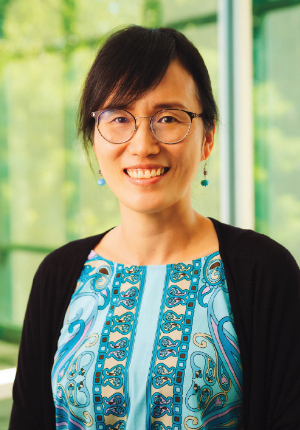
Soonhee Lee, Ph.D., ABPP
Director of Clinical Training
Associate Professor of Psychology
Dr. Lee earned her Ph.D. in Clinical Psychology from the University of Rochester in 2011. She has been licensed as a psychologist since 2013 and ABPP board-certified in counseling psychology since 2022. She was named a Diversity Scholar by ACCTA in 2018 and was awarded Diversity Scholarship from NCSPP in 2023. She also served as Training Director for an APA-accredited doctoral internship in Health Service Psychology, and is currently serving as an editorial board member for The Counseling Psychologist. Dr. Lee joined Stevenson University in Fall 2022 and spearheaded practicum development, internship placement, and program evaluation practices. Her clinical and research interests are broad including grief, mindfulness-based intervention, minority experiences, and socially responsive treatment. Continuing her commitment to deliberate practice, she will be a Participant Leader at the APA Leadership Institute for Women in Psychology in 2026.
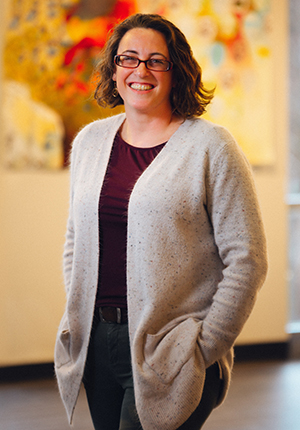
Colleen Spada, Psy.D.
Associate Professor of Clinical Psychology
Dr. Spada earned her Psy.D. in Clinical Psychology from Loyola University Maryland in 2002 and joined Stevenson University in 2010. Dr. Spada is a licensed psychologist whose clinical experiences include university counseling centers, community mental health facilities, inpatient psychiatric facilities and private practice. Her teaching and training experiences include both undergraduate and graduate courses, research and clinical supervision, and workshops and corporate trainings. Dr. Spada currently maintains her own private clinical practice and is an active member of the Maryland Psychological Association’s Diversity Committee. Her approach to training and clinical work highlights authenticity, genuineness and integrity. She advocates for her students and clients alike and encourages them to advocate for themselves.
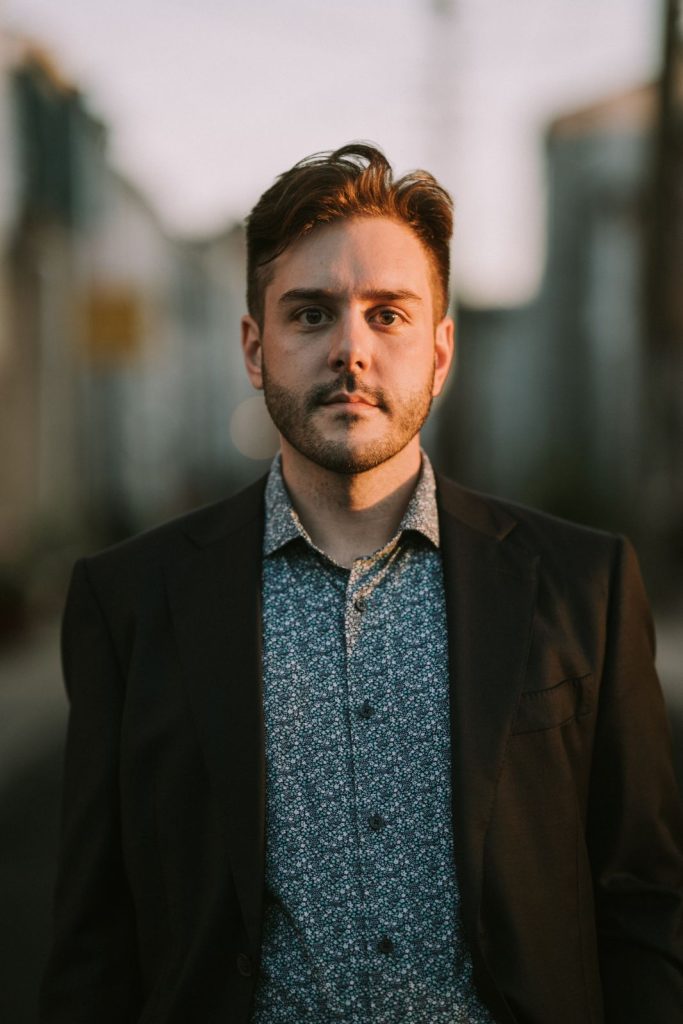
Ryan Willard, Ph.D.
Assistant Professor of Clinical Psychology
Dr. Willard earned his Ph.D. in Counseling Psychology from The University of Kansas in 2022, and joined Stevenson University in Fall 2023. Prior to Stevenson, Dr. Willard served as Visiting Assistant Professor of Counseling Psychology in the Department of Psychology and Counseling at the University of Central Arkansas. His clinical experience includes serving as a Doctoral Psychology Intern at the Syracuse Veterans Affairs Medical Center in Syracuse, New York, where he also conducted predoctoral research. He also served as a Counseling Psychology Clinical Supervisor at the University of Kansas. Dr. Willard is licensed in the state of Maryland, a Psypact provider and owns a private practice. Dr. Willard focuses on the connections between depression and physical health and wellbeing. His approach to teaching and counseling emphasizes humor, curiosity, creativity, and fairness.
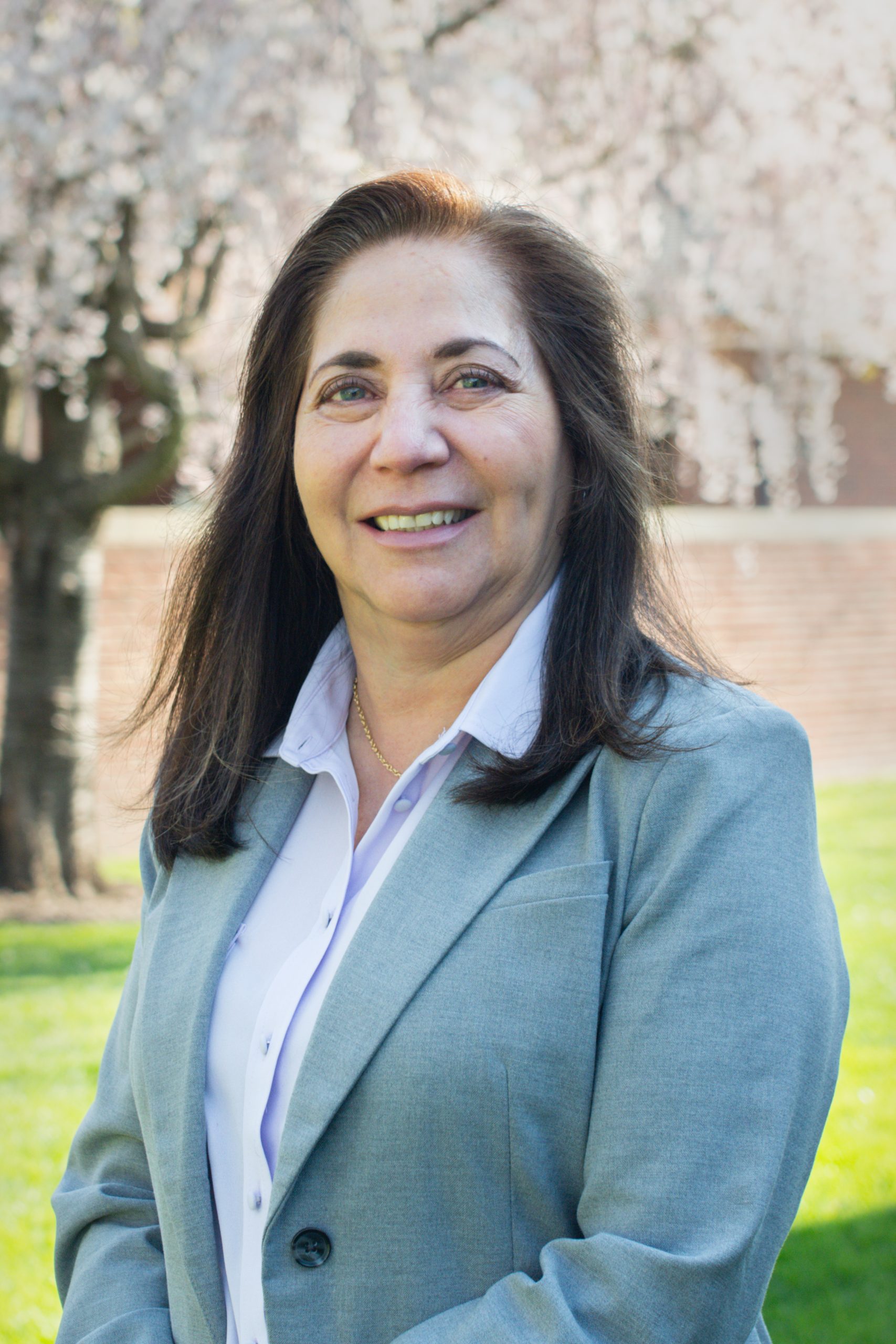
Gloria M. Workman, Ph.D., ABPP
Practicum Coordinator
Associate Professor
Dr. Workman earned her Ph.D. in Clinical Child Psychology from DePaul University of Chicago. Board-certified in clinical psychology since 2014, Dr. Workman is a licensed psychologist and has experience in a variety of academic, administrative, and clinical settings. She previously served as the director and a core faculty member in the Doctor of Psychology (Psy.D.), Clinical Psychology Program, Department of Behavioral Medicine at Midwestern University and taught undergraduate psychology at the University of Washington Tacoma. Her clinical experience includes providing mental health services within multiple federal agencies—including the Department of Veterans Affairs, Department of Homeland Security, and the Department of Defense—as well as in medical centers, university counseling centers, and private practice.
Dr. Workman’s clinical and research interests include resilience promotion, trauma-informed interventions for first responders, ADHD treatments, understanding risk and protective factors for internal problems, suicide prevention training, multicultural training in spirituality, and treating youth diagnosed with cancer or pediatric chronic pain. A member of the American Psychological Association, she currently serves as an evaluator for the American Board of Professional Psychology and previously served on the Board of the Directors of the American Association of Suicidology.
Associated Faculty

Deondra Smith, Psy.D.
Assistant Professor of Psychology
Dr. Smith earned her Psy.D in Clinical Psychology from the American School of Professional Psychology at Argosy University, Washington DC Campus. She has taught at Stevenson University since 2018. She is a Licensed Psychologist and owns her own private practice where she provides both therapeutic and psychological assessment services to children, adolescents, and adults. She has extensive experience in supervising and training undergraduate and graduate students within the field of psychology. Her clinical interests focus on the integration of play therapy and other non-directed modalities in therapy to enhance overall emotional identification and expression in children and adolescents. Also, her clinical work focuses on increasing accessibility of mental health resources to BIPOC communities. Her research interests include examining the relationship between ethnic identification, cultural expression and psychological well-being.
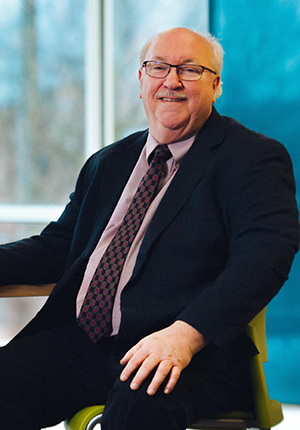
Jeffrey D. Elliott, Ph.D.
Chair and Professor of Psychology
Dr. Elliott earned his Ph.D. in Human Services Psychology (Clinical Track) from the University of Maryland Baltimore County. He is a Maryland Licensed Clinical Psychologist. He has taught at Stevenson since 2001 and served as Department Chair of Psychology since 2010. At Stevenson, he is a recipient of the Rose Dawson Award for Excellence in Teaching, which is awarded to one faculty member each year. In the past, he served as a Clinician, Clinical Coordinator, and Clinical Supervisor for the Domestic Violence Center of Howard County (1995-1998, 2000-2010) and has experience in inpatient settings for the seriously mentally ill and in addictions. His current clinical work focuses on enhancing educational opportunities and outcomes for at-risk teenagers. His research interests focus on attitudes affecting relationship violence and relationship indiscretions as well as social psychological factors affecting clinical work. His most recent collaborative research with students focused on diverse topics such as self-care and stress, early parental bonding and loneliness, confrontation of micro-aggression, and compliance with law enforcement officers. He particularly values mentoring students.

Virginia N. Iannone, Ph.D.
Vice Provost for Student Success
Professor of Psychology
Dr. Virginia (VJ) Iannone received her Ph.D. in Clinical Psychology from the Catholic University of America and joined the faculty at Stevenson University in 2002. Her research interests include examining mental toughness in youth athletes as well as examining the role of injury, retirement, and other transitional events on quality of life. She was appointed as a Teaching Fellow for the Center for Teaching and Learning in 2019 and was awarded Excellence in Teaching Awards from the National Society for Leadership and Success (2015) and Stevenson University (2017). She is a founding and executive board member of the Mid-Atlantic Consortium for Sport and Performance Psychology and holds active memberships in several professional organizations related to the science and practice of sport psychology.
Adjunct Faculty
Clinton Lewin, Psy.D.
Adjunct Professor of Clinical Psychology
Caroline Guzi, Psy.D.
Adjunct Professor of Clinical Psychology
Kara Koenig, Psy.D.
Adjunct Professor of Clinical Psychology
Peter Smith, Psy.D., MSCP
Adjunct Professor of Clinical Psychology
Frequently Asked Questions
Q: When is the deadline to apply?
A: The priority deadline to apply to our Psy.D. program is December 1. The best consideration deadline is February 1.
Q: Is there an application fee?
A: There is no application fee.
Q: What do I need to major in?
A: Applicants with a strong academic background in psychology, counseling, human services, or a related field are preferred. Applicants who did not major in Psychology or a closely related field at the undergraduate level will be considered for admission, but must complete the following prerequisite courses: Statistics; Psychopathology; Human Development; and Research Methods. A course in Test and Measurements is recommended, but not required.
- These courses can be completed at any accredited two- or four-year college or university (including Stevenson University) or as part of a prior graduate program.
- At least three of the four required courses must be completed prior to application submission; the fourth class can be in progress at the time of application.
Q: How long is the Psy.D. program?
A: Stevenson University’s Psy.D. program in Clinical Psychology is a five year course sequence.
Q: How much does the Psy.D. program cost?
A: Annual tuition and fees at Stevenson University for Psy.D. program students starting Fall 2023 are $18,988 for the 2023-2024 academic year.
Q: How will I know if I am selected for an interview?
A: Applicants who are offered an interview following initial review of their application materials by the Psy.D. Admissions Committee will be notified via email.
Q: Is the program accredited by the American Psychological Association (APA)?
A: The Psy.D. program is not accredited at this time, but has applied to APA for initial accreditation (i.e., Accredited, on Contingency status) and is currently under review for this status. Specifically, the program submitted a self-study to APA in Fall 2023 as part of the initial accreditation application process, and received authorization in Spring 2024 for a site visit based on review of that self-study. All accreditation decisions and their timing are at APA’s discretion and cannot be guaranteed by the program. Please see this webpage’s Overview tab for more information on the accreditation application process and our status.
Q: What transcripts need to be submitted?
A: Official transcripts from all colleges or university attended need to be submitted to the Admission Office. An official transcript is one that comes from the school directly to Stevenson in either a sealed envelope or in a secure email. Students can send transcripts to psydadmissions@stevenson.edu.
International students who have attended or who are currently attending a U.S. post-secondary institution must submit official transcripts from all institutions. Students who have completed post-secondary academic coursework outside of the United States must submit an official course-by-course transcript evaluation from an organization that is a current member of the National Association of Credential Evaluation Services (https://www.naces.org/members) (NACES). A member list is available on the NACES website.
Q: Are transfer credits accepted?
A: All requests for transfer credit will be reviewed on an individual basis. Master’s courses are generally not accepted for transfer credit. Classes previously taken in another doctoral program in psychology that were not applied to a terminal degree will be considered for transfer credit. A syllabus and/or other supporting materials may be required in order to evaluate a course for transfer credit.
Q: Is Psy.D. program coursework offered in-person or online?
A: The Psy.D. program is offered in-person on the university’s Greenspring campus. The program is not offered through online/distance education.
Student Admissions, Outcomes, and Other Data
REQUEST INFORMATION
Get Your Questions Answered
- Stevenson University welcomes our newest Psy. D. cohort, the Class of 2029.
- Stevenson’s Psy.D. students form the Classes of 2026, 2027, 2028, and 2029.
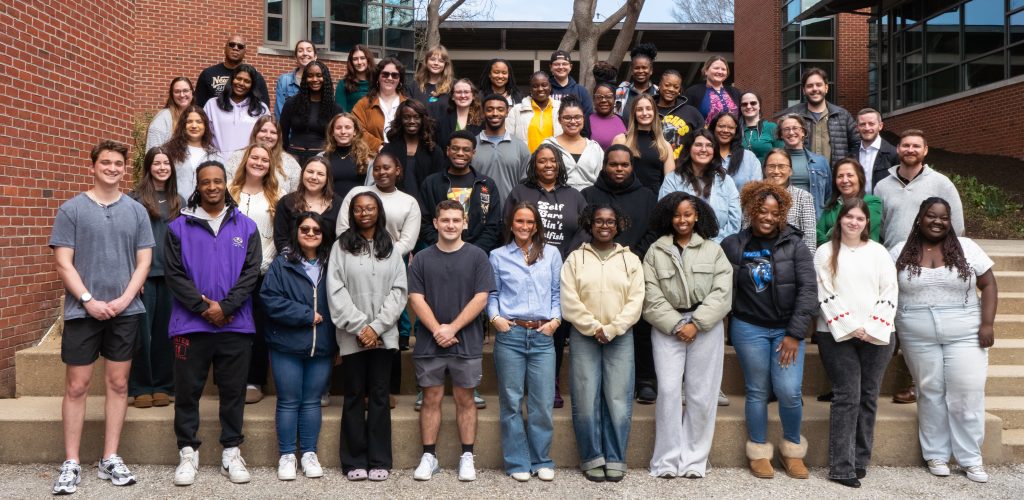 Stevenson University 2026Psy.D. Program Students and Faculty
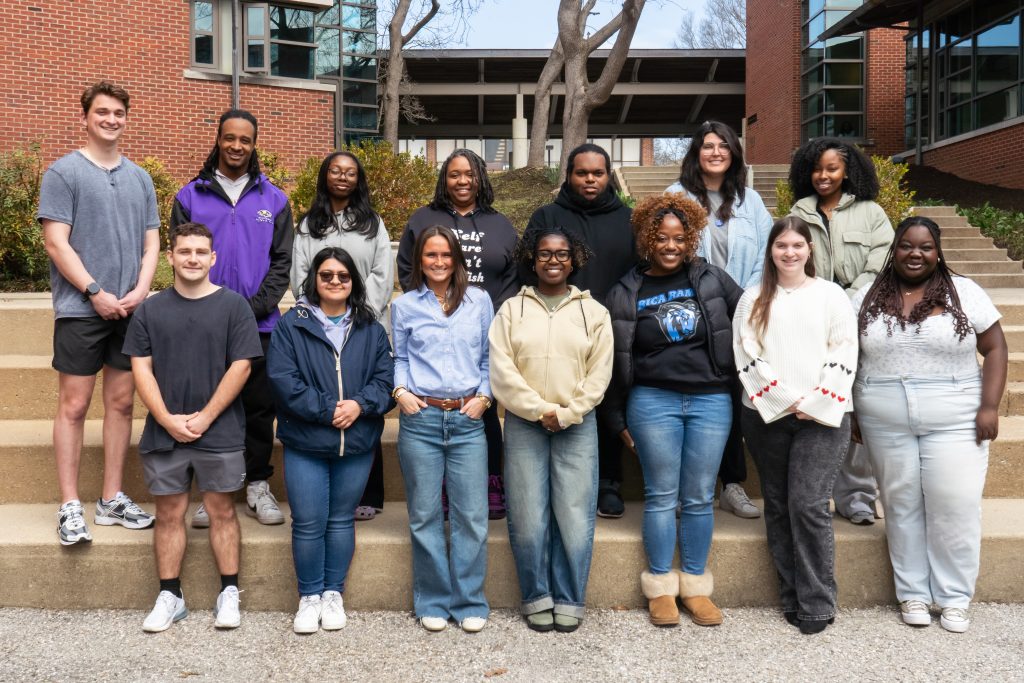 Fall 2025 Cohort
 Fall 2024 Cohort
 Fall 2023 Cohort
Resources for Stevenson Graduate Students
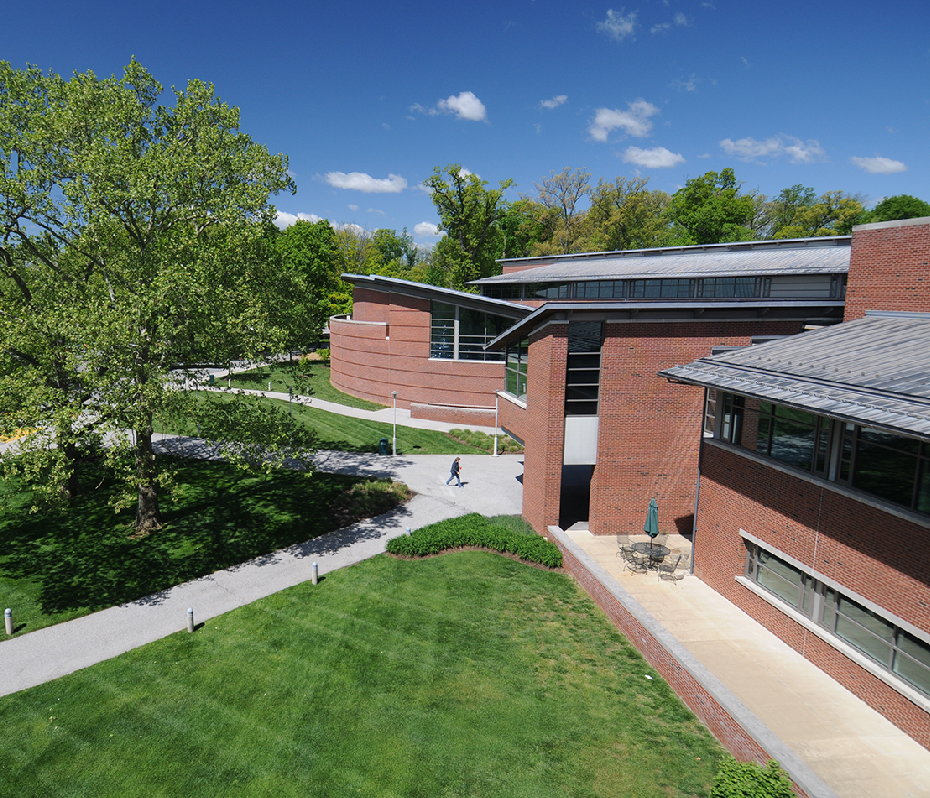
The Doctor of Psychology program is located on Stevenson’s Greenspring campus located in the heart of Maryland’s beautiful Greenspring Valley. The campus offers the following facilities and amenities for graduate students:
- Ample parking & easy access to I-695 and I-83
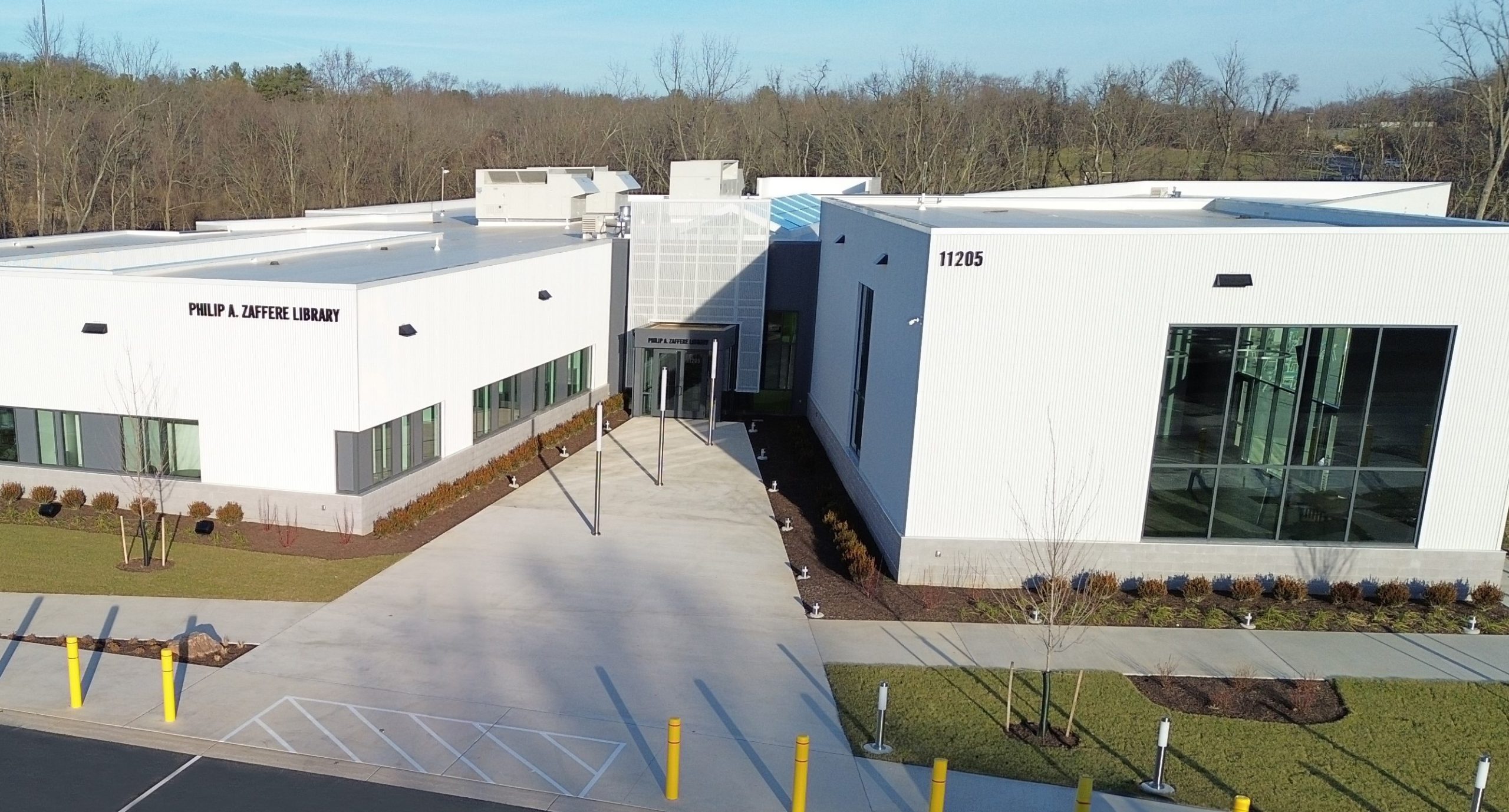
- Library with dedicated resources and study spaces for graduate students
- Graduate Computer Labs
- Graduate Lounge
- Cafeteria
- Fitness Center
- Labyrinth & Meditation Center